"Planning your East Java escape? Here are 10 things we'd actually do in Banyuwangi—and why."
Tucked into the easternmost tip of Java, Banyuwangi rewards travelers who trade Bali's crowds for something wilder. You get volcanic craters that glow blue before dawn, savanna grasslands where banteng graze at sunrise, and beaches where turtles still nest under moonlight. The region stretches wide—from highland sulfur lakes to coastal mangroves—so most trips stay 3–4 days to avoid rushing the drives. Each attraction earns its place not through hype but through what it delivers: raw landscapes, accessible wildlife, and that satisfying friction between effort and reward.
Getting there
At a glance
- Getting there: train from Surabaya (~6h). ferry crossing (~45min). air from Jakarta (~1h45m). no direct flight from Bali. no direct flight from Surabaya.
- Best time: April through November is the dry season with reliable roads and clear skies. Ijen blue fire is visible year-round but the hike is safest and most spectacular May through August. Sukamade turtle nesting peaks September through March.
- By train: Surabaya to Banyuwangi, about 6h.
- By ferry: Ketapang crossing, about 45min.
- By air: Jakarta to Banyuwangi, about 1h45m.
- From Bali: no direct flight — reach Banyuwangi by ferry crossing instead.
- From Surabaya: no direct flight — reach Banyuwangi by ferry crossing instead.
1. Chase the blue fire at Kawah Ijen before sunrise
35-45 km west of Banyuwangi
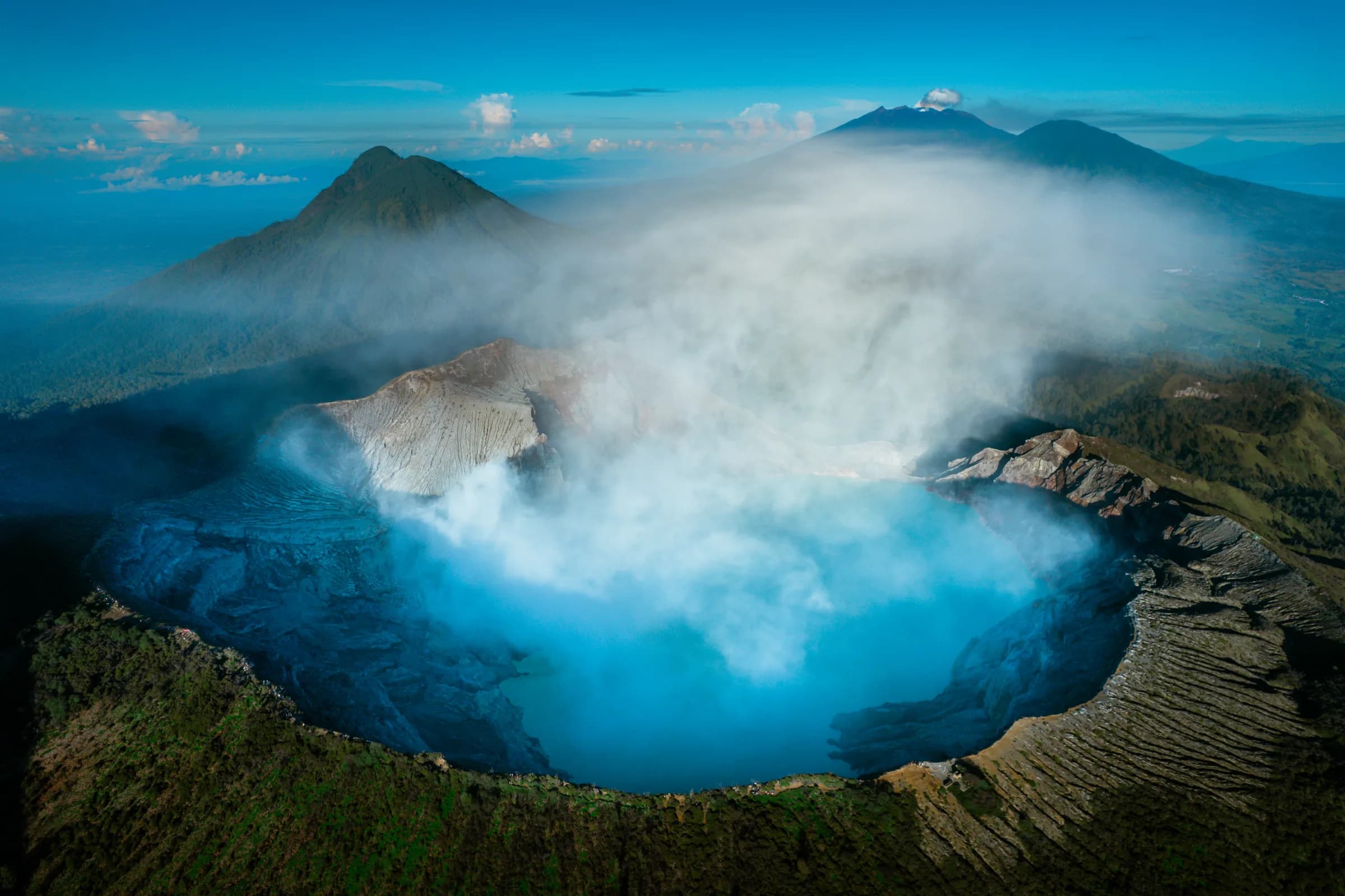
The blue flames aren't some volcanic trick of light—they're sulfur gas combusting at the crater's edge, visible only in darkness. You'll wake well past midnight for the drive into the highlands, start the steep 3-kilometer trek around 1AM, and reach the crater rim by 3AM if the pace holds. The fire flickers near the lake's edge—not across the entire crater floor—so positioning matters. By sunrise the turquoise acidic lake reveals itself, the world's largest at this pH, and miners haul sulfur chunks up the same trail you descended.
Gas masks are mandatory—rent one at Paltuding basecamp if your guide doesn't provide it. The trek tests your lungs and your knees on the way down, but the payoff is witnessing something few volcanic sites on earth can match.
Voyage of Banyuwangi 3D2N
banyuwangi · 3D
The order is reversed here: the sea comes first, while everyone is fresh. Snorkelling at Menjangan and Tabuhan, lunch on the island, then back to town for the night. Day two goes inland — De Djawatan forest, then the savannah of Baluran. Day three climbs Kawah Ijen before dawn. This is the leanest of the three-day trips: no jeep, no camping, three big places without excess driving. Snorkelling gear, underwater photos, gas masks, headlamps, and the Ijen health clearance are included; accommodation is not. Maximum 12 guests.
from
$206 USD
2. Walk across to Pulau Merah at low tide
south of Banyuwangi
Red Island sits along the south coast, named for the reddish tint its cliffs catch at sunset. What makes it approachable is the tidal connection—at low tide you walk straight across from the beach, no boat required. Surfers favor the left-hand break when swells cooperate, but even non-surfers come for the late-afternoon light and the simplicity of an island you can circle in under an hour.
The drive south from the city takes time—plan around tide schedules so you're not stuck waiting on the beach. Bring shoes that handle wet sand and volcanic rock if you want to explore the far side.
3. Safari through Baluran's savanna at first light
35-40 km north of Banyuwangi
Pantai Bama on the park's edge adds a coastal option—white sand beach, mangrove boardwalk, and more macaques. Dry season from June through November delivers the best visibility and easiest game drives, though the park stays open year-round.
Menjangan, Tabuhan & Baluran Day Trip
banyuwangi · 1D
Sea in the morning, savannah in the afternoon, with pickup from town. Snorkelling at Menjangan and Tabuhan, back to Grand Watu Dodol, then inland to Baluran National Park. GoPro underwater photos, snorkelling gear, a snorkelling guide, per-person insurance, and lunch are included. Drone permits inside the national park are arranged separately. Maximum 10 guests.
from
$106 USD
4. Release hatchlings at Sukamade under moonlight
Meru Betiri National Park protects one of Java's last significant turtle nesting beaches, and Sukamade is where green turtles still come ashore between September and March. The experience isn't staged—rangers monitor nests, and if conditions align during your visit, you'll help release hatchlings after dark as they scramble toward the tide.
The drive demands patience—rough roads stretch several hours from the city, followed by a trek into the park. This isn't a half-day add-on; it's a commitment that rewards those willing to trade comfort for proximity to conservation work that still functions.
5. Walk beneath Djawatan's canopy of trembesi trees
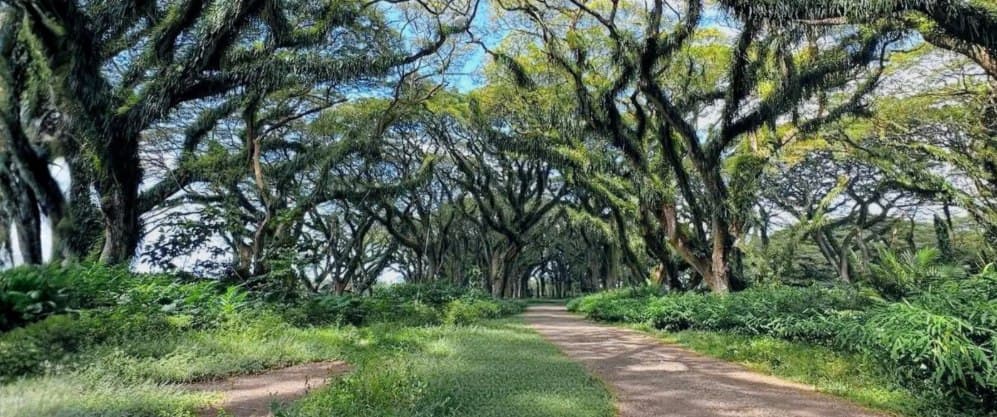
Djawatan Forest sits southwest of the city, close enough for a morning visit but distinct enough to feel like stepping into older Java. Massive trembesi trees arch overhead, their branches tangling into natural tunnels wide enough to walk beneath. The forest floor stays shaded and cool—bring a wide-angle lens if you're after the canopy shots that made this spot popular, or just walk the trails without the camera pressure.
It's not a full-day destination, but it pairs well with Kawah Wurung or a drive toward the highlands if you're routing west.
Menjangan, Tabuhan, Djawatan & Teluk Hijau 2D1N
banyuwangi · 2D
Two beaches you can only reach by boat, in one trip. Day one snorkels Menjangan and Tabuhan in the north. Day two heads south: De Djawatan forest, then the crossing from Rajegwesi to Teluk Hijau — a white-sand bay with no road to it. Snorkelling gear, life jackets, boats for both crossings, permits, and all meals are included. Maximum 10 guests.
from
$161 USD
6. Snorkel the drop-offs at Pulau Tabuhan
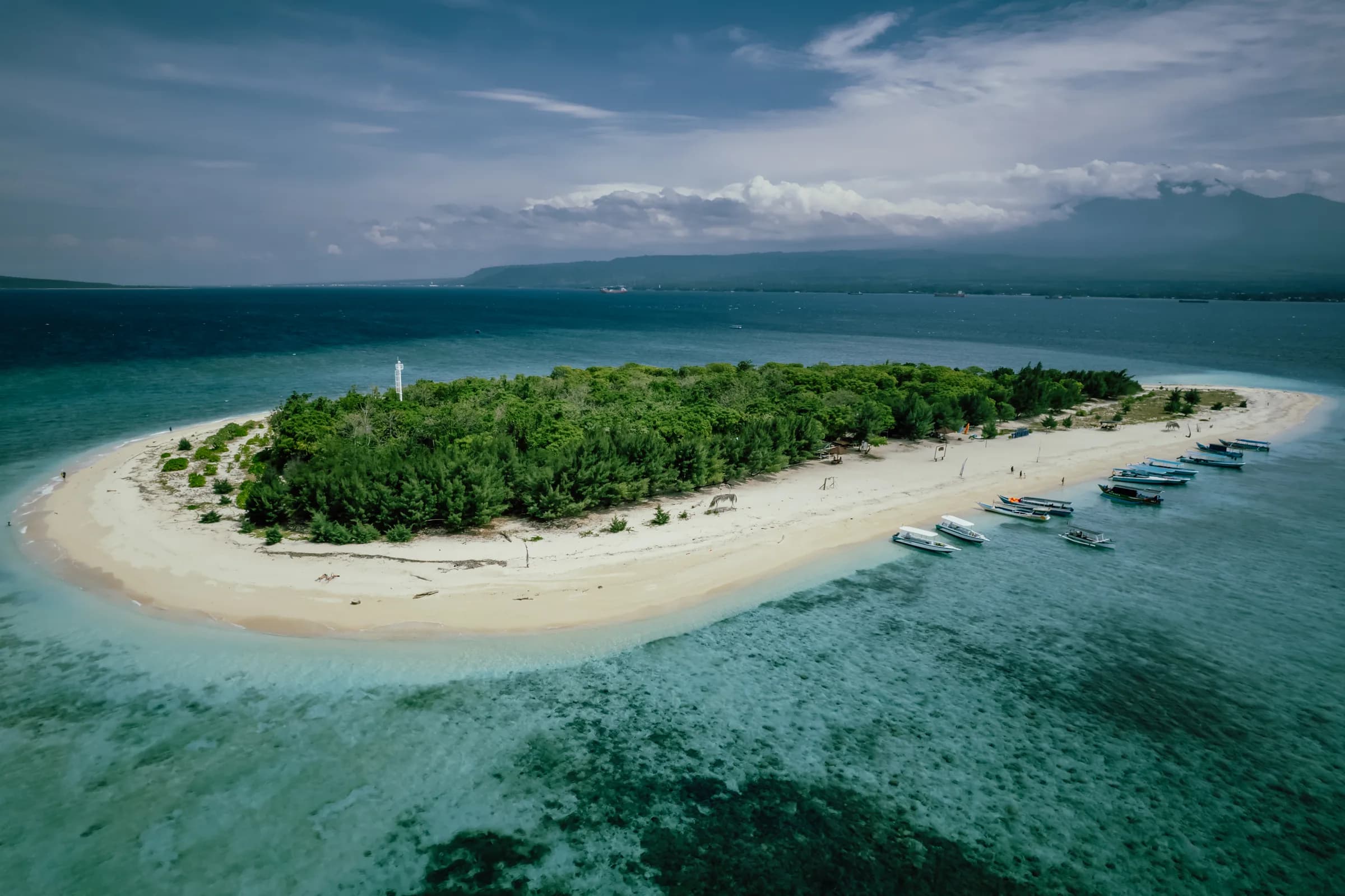
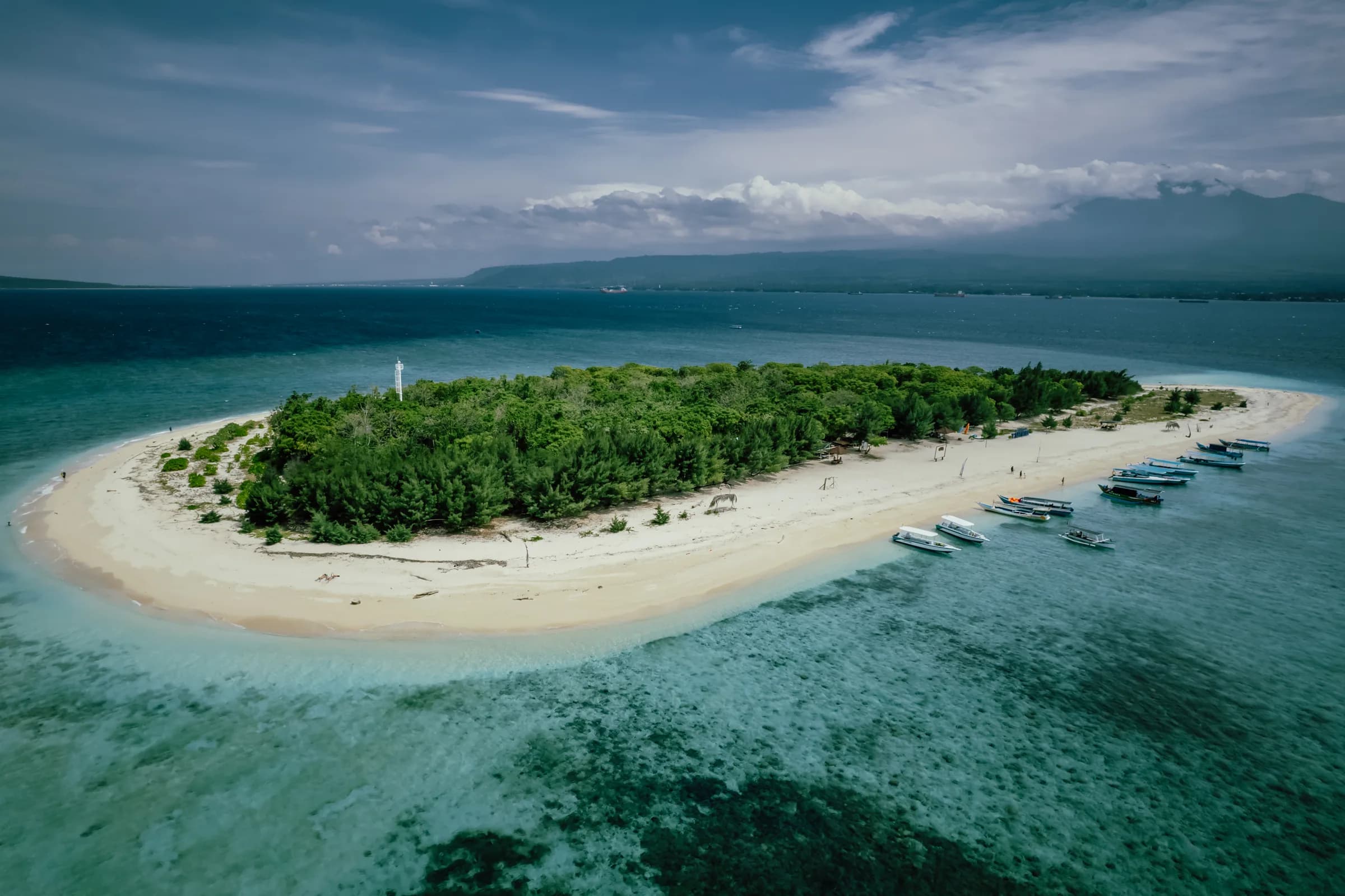
Pulau Tabuhan lies off the northwest coast in the Bali Strait, small enough that most visitors circle it in a morning but rich enough in coral and reef fish to justify the boat ride. The drop-offs on the island's outer edge offer the clearest water and the densest marine life—expect visibility around 10–15 meters on calm days.
Access is by chartered boat from Bangsring or arranged through local operators who know the tidal windows. The island sees fewer visitors than the more famous dive sites, which keeps the reefs healthier and the experience quieter.
7. Trek to Teluk Hijau's emerald cove
Green Bay earns its name from the way jungle vegetation frames the turquoise water—a small cove tucked into Meru Betiri National Park, reachable only by trekking overland from Rajegwesi. The trail isn't long but it's uneven, cutting through coastal forest before dropping to the beach. Once there, you're looking at calm water good for swimming, rock walls that funnel the light, and very few other people if you time it right.
Pair this with Sukamade if you're already committing to Meru Betiri's southern access, or treat it as a standalone trek from the Rajegwesi side if you're short on time.
8. Drive the highlands to Kawah Wurung's crater rim
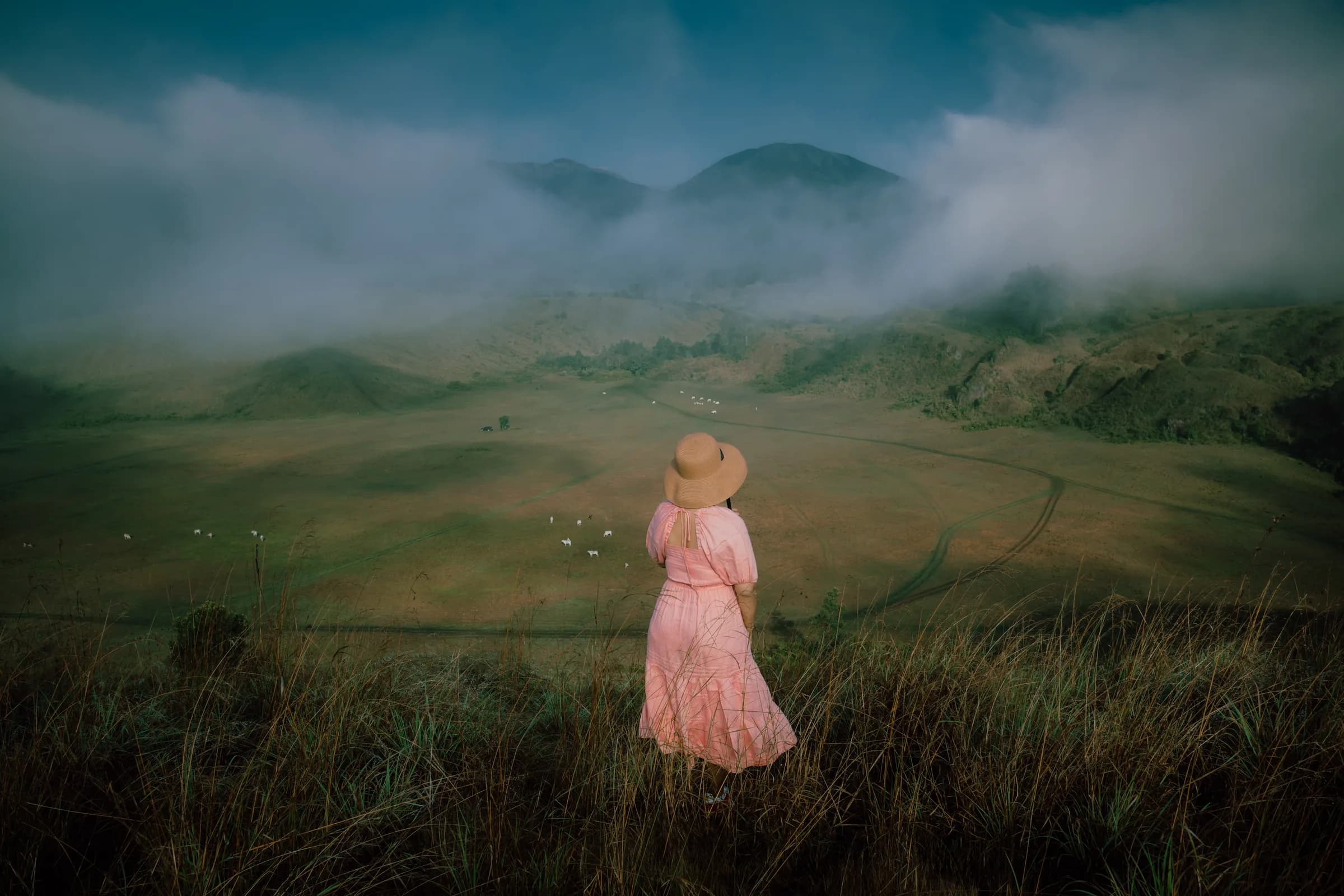
Kawah Wurung sits near Sempol in Bondowoso regency, west of Banyuwangi proper—a volcanic crater whose grassy floor and steep walls make it look like a natural amphitheater. The drive takes longer than many visitors expect, closer to two hours on winding highland roads, but the payoff is a viewpoint over the crater that still feels undervisited.
Early morning fog sometimes fills the bowl, clearing by mid-morning to reveal the full scale. It's not as dramatic as Ijen's sulfur lake, but if you're routing through the highlands anyway, the detour adds dimension to the volcanic landscape.
Wurung Crater Day Trip
banyuwangi · 1D
Sunrise at Kawah Wurung with no climbing at all — a 4x4 takes you right up into the grassland. After exploring and photographs, the route drops to Kalipahit waterfall, then lunch back in town. The lightest way to see Banyuwangi's highland landscape. The jeep, permits, a table-and-chair setup, and snacks are included; lunch is on you. Maximum 10 guests.
from
$58 USD
9. Sample Osing cuisine at local warungs
The Osing people—Banyuwangi's dominant ethnic group—cook dishes you won't find replicated elsewhere in Java. Pecel pitik delivers grilled chicken with peanut sauce, but it's the preparation and spice balance that set it apart. Sego cawuk uses fermented black coconut sauce over rice, dense and earthy in a way that surprises first-timers. Rujak soto fuses fruit salad with savory broth—an odd-sounding combination that works better on the palate than it reads on a menu.
You'll find these at warungs near the central market or in villages around the highlands. Ask locally for current recommendations rather than chasing specific names—the best spots shift with availability and family recipes.
10. Time Jagir Waterfall after recent rain
Jagir Waterfall sits accessible from the city but flows strongest after wet-season storms or heavy highland rain. The cascade isn't massive—maybe 20 meters—but the pool at the base stays clear and the surrounding greenery frames it well. Locals swim here when the water's high; photographers come for the long-exposure shots through the foliage.
It's a low-commitment addition if you're already in town and want a natural spot that doesn't require hours of driving. Check recent weather before heading out—dry spells reduce the flow to a trickle.
3D2N Safari Camp Banyuwangi: Snorkeling, Savannah & Climb Kawah Ijen
banyuwangi · 3D
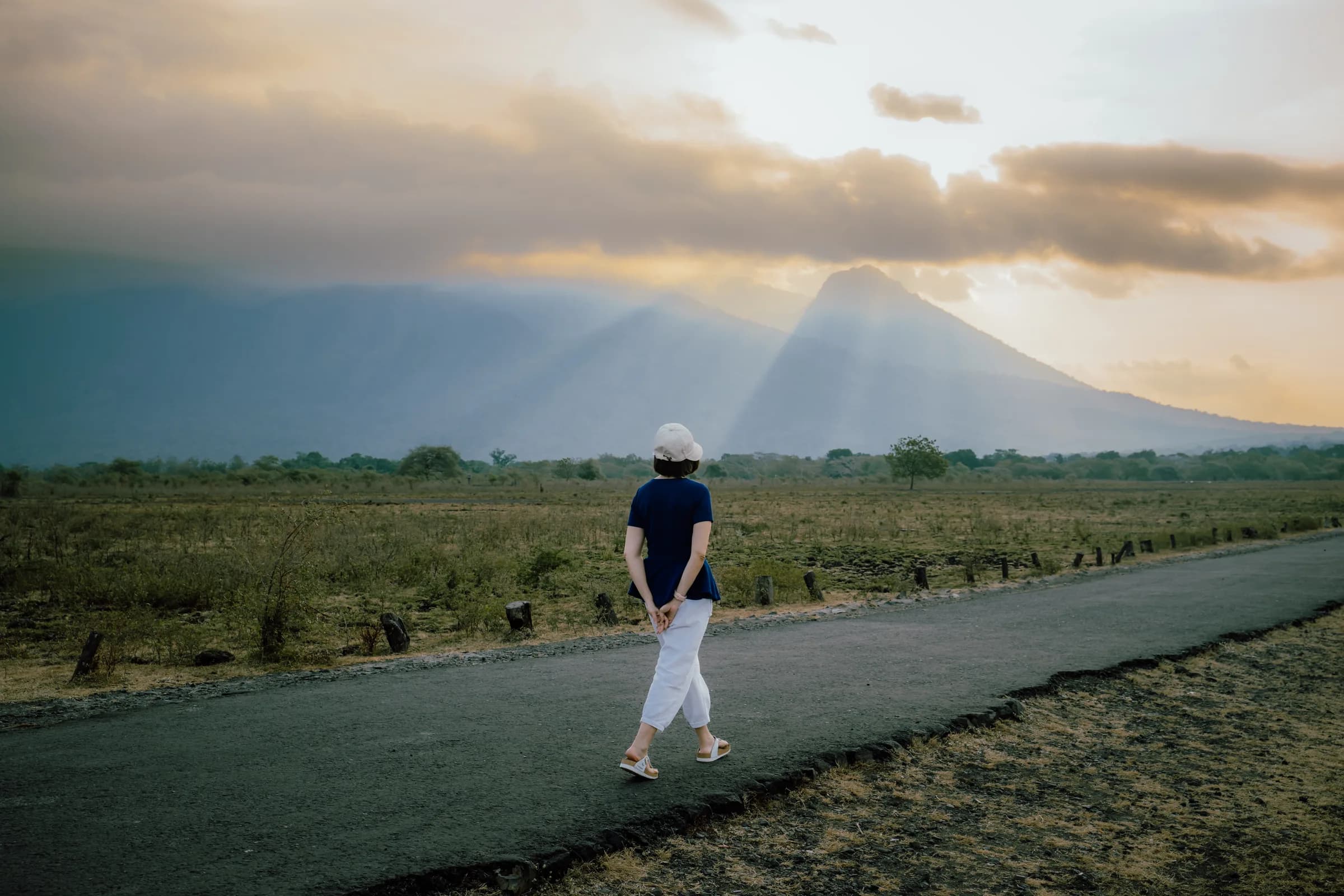
The only three-day trip that sleeps in a tent, pitched at Paltuding, right at the foot of the Ijen trail. You will do snorkeling in Menjangan & Tabuhan, visit the savannah at Baluran, and Climb Kawab Ijen. Tent and camping kit, the jeep, boats, snorkelling gear, underwater photos, and all meals are included; hotels are not — there are no hotel nights in this one. Maximum 10 guests.
from
$290 USD
FAQ
When is the best time to visit Banyuwangi?
April through November covers the dry season—roads stay reliable, skies clear, and highland treks become safer. Ijen's blue fire is visible year-round but May through August offers the most stable weather for the pre-dawn hike. Turtle nesting at Sukamade peaks September through March, so plan around that window if hatchling releases are a priority.
How many days do I need in Banyuwangi?
Three to four days lets you cover Ijen, Baluran, and one or two coastal attractions without back-to-back drives. If you're adding Sukamade or the full Meru Betiri circuit, extend to five days—the southern routes take time. Day-trippers from Bali can hit highlights like Pulau Tabuhan or Djawatan Forest, but the deeper volcanic and savanna experiences need overnight stays.
Can I do Kawah Ijen without a guide?
Technically the trail is open, but a guide handles permits, gas mask rental, and pacing on a trek you'll be doing in darkness. The path steepens near the crater rim and sulfur gas concentrations shift with wind—local knowledge matters. Most visitors book transport and guide as a package, departing the city around midnight.
Is Banyuwangi safe for solo travelers?
Yes. The main risks are logistical—rough roads to remote parks, early-morning treks in darkness, tidal schedules at coastal spots. Hire reputable local guides for Ijen and Meru Betiri, confirm tide times before walking to Pulau Merah, and give yourself buffer time on drives. Standard travel precautions apply: watch your belongings in crowded areas, agree on transport prices upfront, and keep your phone charged for navigation.
What should I pack for Banyuwangi?
Closed-toe shoes with grip for volcanic treks, a headlamp with fresh batteries for Ijen's pre-dawn hike, and reef-safe sunscreen for island snorkeling. Layers matter—highlands get cold before sunrise, lowlands stay humid. A dry bag protects cameras and electronics during boat transfers. Gas masks are rented on-site at Ijen, but if you have respiratory sensitivities, bring your own. Cash in small denominations covers entry fees and local warungs—card acceptance is limited outside the city.