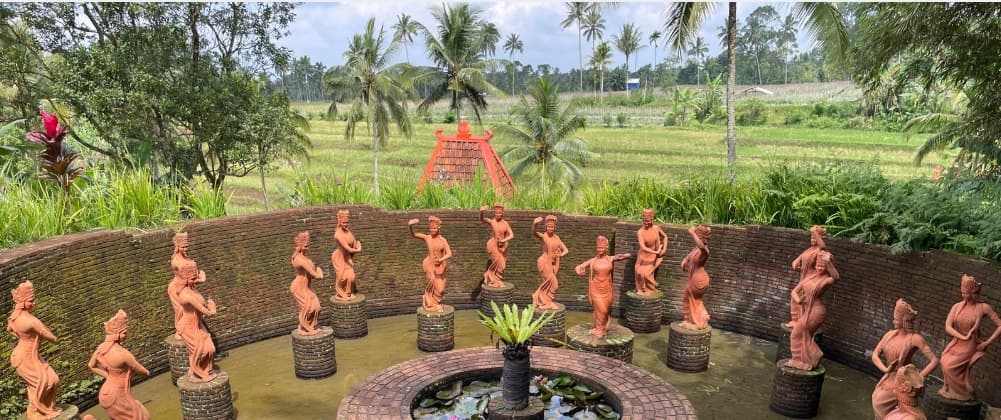
Planning your first trip to Banyuwangi? Here's what to know before you go—from when to come and what to pack, to how the main attractions connect and how to move between them.
Getting there
At a glance
- Getting there: Train from Surabaya (~6h). Ferry Ketapang–Gilimanuk (~45min). Flight from Jakarta (~1h45m). No direct flight from Bali. No direct flight from Surabaya.
- Best time: April through November is the dry season with reliable roads and clear skies. Ijen blue fire is visible year-round but the hike is safest and most spectacular May through August. Sukamade turtle nesting peaks September through March.
- By train: Surabaya to Banyuwangi, about 6h.
- By ferry: Ketapang crossing, about 45min.
- By air: Jakarta to Banyuwangi, about 1h45m.
- From Bali: no direct flight — reach Banyuwangi by ferry crossing instead.
- From Surabaya: no direct flight — reach Banyuwangi by ferry crossing instead.
1. Pick your season with intention
April through November brings the dry season—reliable roads, clear skies, and easier access to highland craters and coastal parks. Ijen's blue fire is visible year-round, but the trek is safest and most spectacular May through August when trails are dry and winds are calmer. Sukamade turtle nesting peaks September through March, so if you're timing a trip around hatchling releases, lean toward those months. Build slack into your plan, especially if you're chaining multiple sites—rough roads and early-morning starts mean weather affects everything.
2. Book Ijen treks early (and match trip style)
35-45 km west of Banyuwangi
The blue fire at Kawah Ijen is a sulfur gas combustion visible only in the hour before sunrise, near the gas vents at the lake edge. You'll leave the city around midnight, reach Paltuding basecamp by 1am, then trek uphill for around two hours to reach the crater by 3am. Gas masks are mandatory—rent one at the entrance. Tours from the city run around IDR 550K–750K with transport and guide, or arrange your own ojek to Paltuding and hike independently. Either way, closed shoes, layers, and a headlamp are wajib.
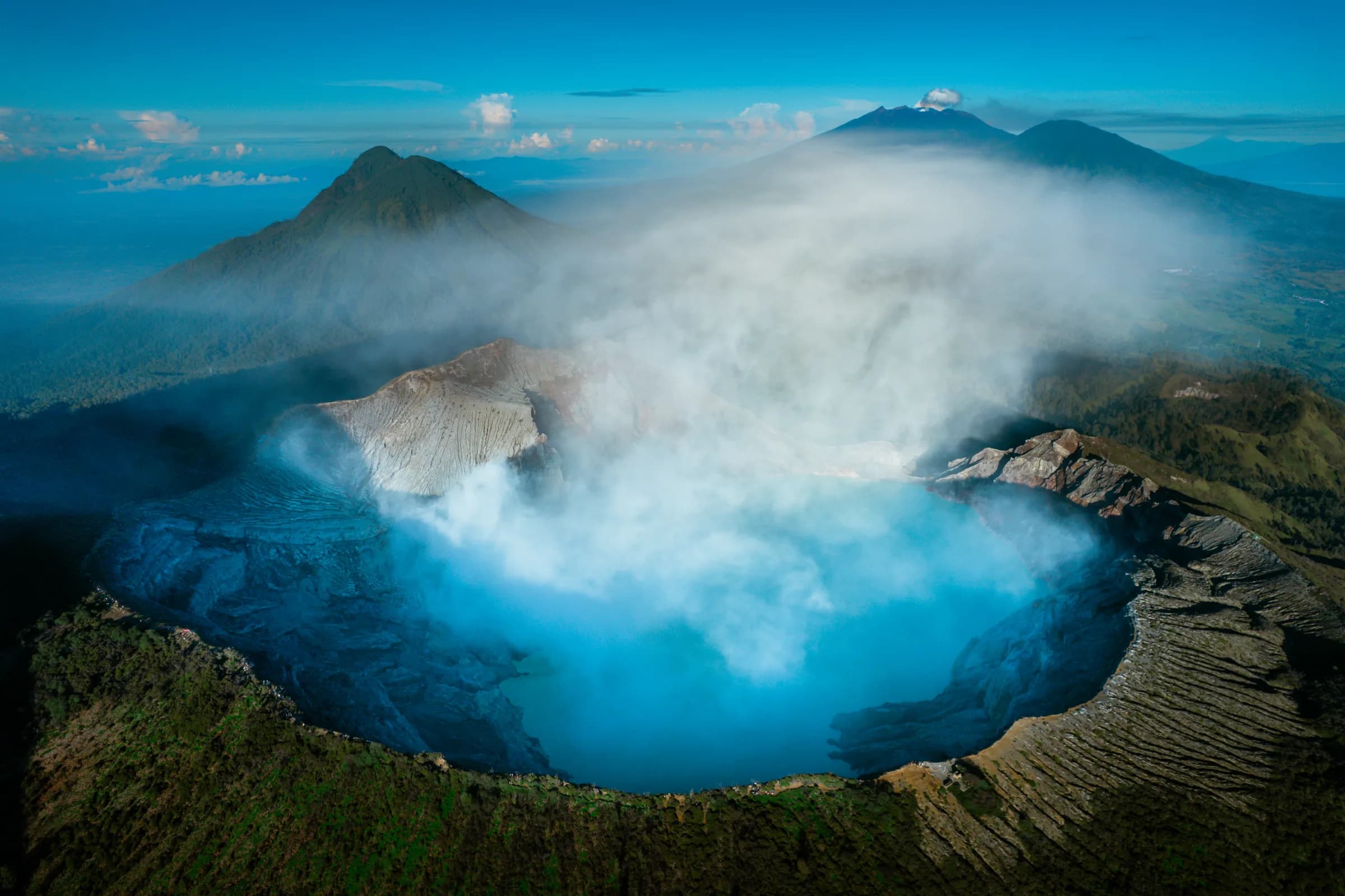
Voyage of Banyuwangi 3D2N
banyuwangi · 3D
The order is reversed here: the sea comes first, while everyone is fresh. Snorkelling at Menjangan and Tabuhan, lunch on the island, then back to town for the night. Day two goes inland — De Djawatan forest, then the savannah of Baluran. Day three climbs Kawah Ijen before dawn. This is the leanest of the three-day trips: no jeep, no camping, three big places without excess driving. Snorkelling gear, underwater photos, gas masks, headlamps, and the Ijen health clearance are included; accommodation is not. Maximum 12 guests.
from
$206 USD
3. Baluran savanna rewards early arrivals
35-40 km north of Banyuwangi
Baluran National Park sits north of the city—savanna landscapes, wildlife, and Pantai Bama's white sand beach. Savana Bekol is the main attraction, with a watchtower for spotting banteng, rusa deer, wild boar, and green peafowl. Dry season (June–November) brings the best visibility and animal activity. Early mornings are coolest and busiest for wildlife. Macaques gather near Pantai Bama's mangrove boardwalk, and the beach itself is a quiet break after the savanna heat.
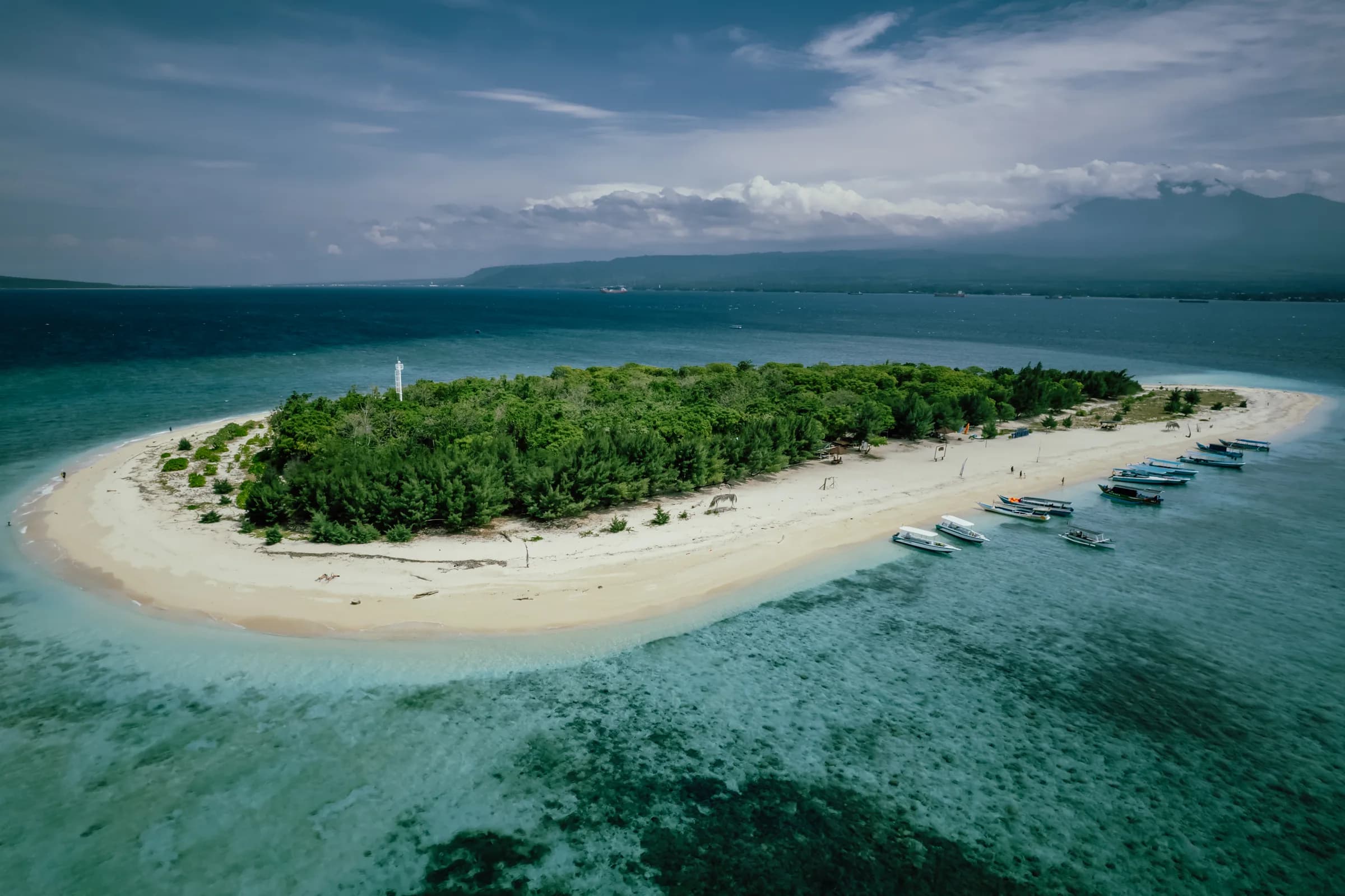
Menjangan, Tabuhan & Baluran Day Trip
banyuwangi · 1D
Sea in the morning, savannah in the afternoon, with pickup from town. Snorkelling at Menjangan and Tabuhan, back to Grand Watu Dodol, then inland to Baluran National Park. GoPro underwater photos, snorkelling gear, a snorkelling guide, per-person insurance, and lunch are included. Drone permits inside the national park are arranged separately. Maximum 10 guests.
from
$106 USD
4. South coast sites need full-day commitment
Pulau Merah (Red Island) is a land-connected tidal island on the south coast—walkable at low tide, good surf, solid sunset. Sukamade turtle beach in Meru Betiri National Park is a long haul—three to four hours on rough roads plus an additional trek into the park. Road conditions are poor, and the drive takes longer than most itineraries suggest. If you're going, plan a full day or overnight. Teluk Hijau (Green Bay) in the same park requires overland access from Rajegwesi—not a quick boat trip from the city.
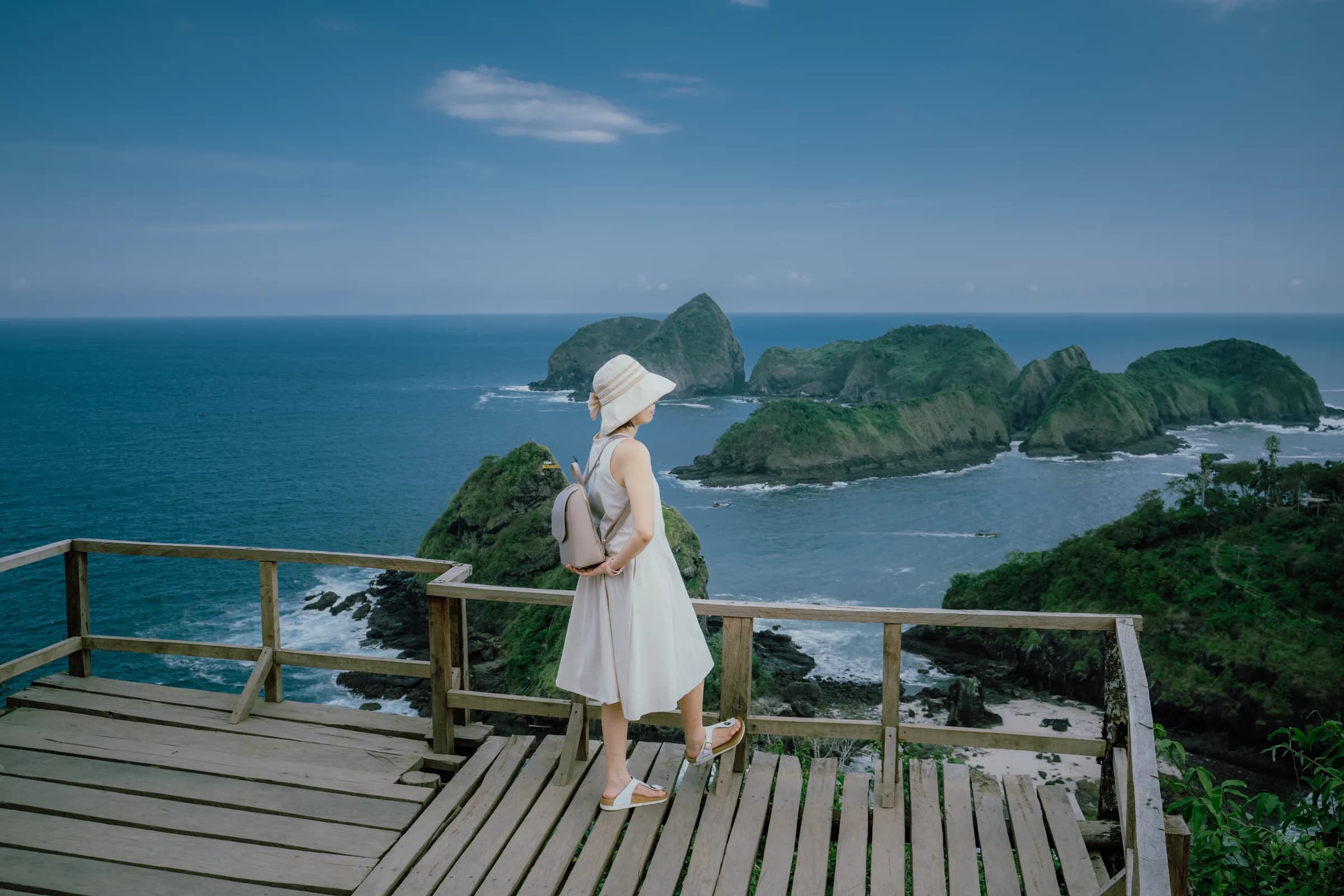
Green Island Day Trip
banyuwangi · 1D
A small island off the south coast, with a short climb to its top for a view down the shoreline. You cross from Mustika beach, explore the sand, and — weather permitting — stop at Spot T and the Bedil water spout. The boat, life jackets, a guide, and permits are included; lunch is on you. Because it depends on conditions, the order of the day can change on the water. Maximum 10 guests.
from
$74 USD
5. Local warungs serve Osing specialties
Banyuwangi's Osing ethnic group brings pecel pitik (grilled chicken with peanut sauce), sego cawuk (rice with fermented black coconut sauce), and rujak soto (a unique fusion of fruit salad with shrimp paste and soup). Look for local warungs near the market or ask your driver—most spots don't have English menus, but pointing works. Closed shoes help if you're walking wet-market areas early morning.
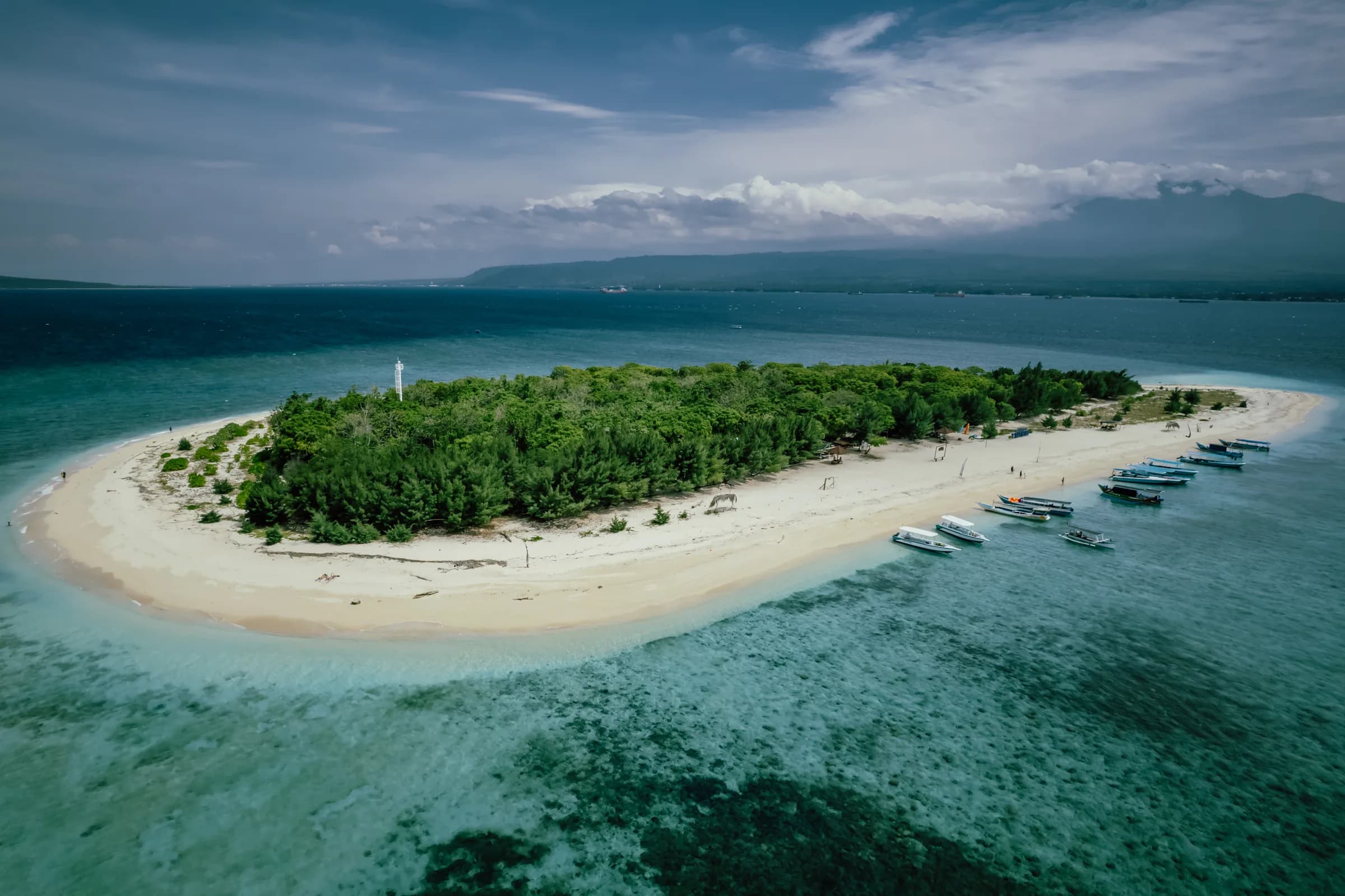
6. Pulau Tabuhan and Menjangan aren't the same place
Menjangan & Tabuhan Island Day Trip
banyuwangi · 1D
Two islands in a day, starting at the jetty itself — **no pickup from town**. You meet at Grand Watu Dodol beach, cross to Menjangan for snorkelling, then on to Tabuhan with lunch there. Because transport to the meeting point isn't included, this is the lightest-priced of the snorkelling trips. GoPro underwater photos, snorkelling gear, a snorkelling guide, and per-person insurance are included. Maximum 13 guests.
from
$58 USD
7. Djawatan Forest and Kawah Wurung are accessible day trips
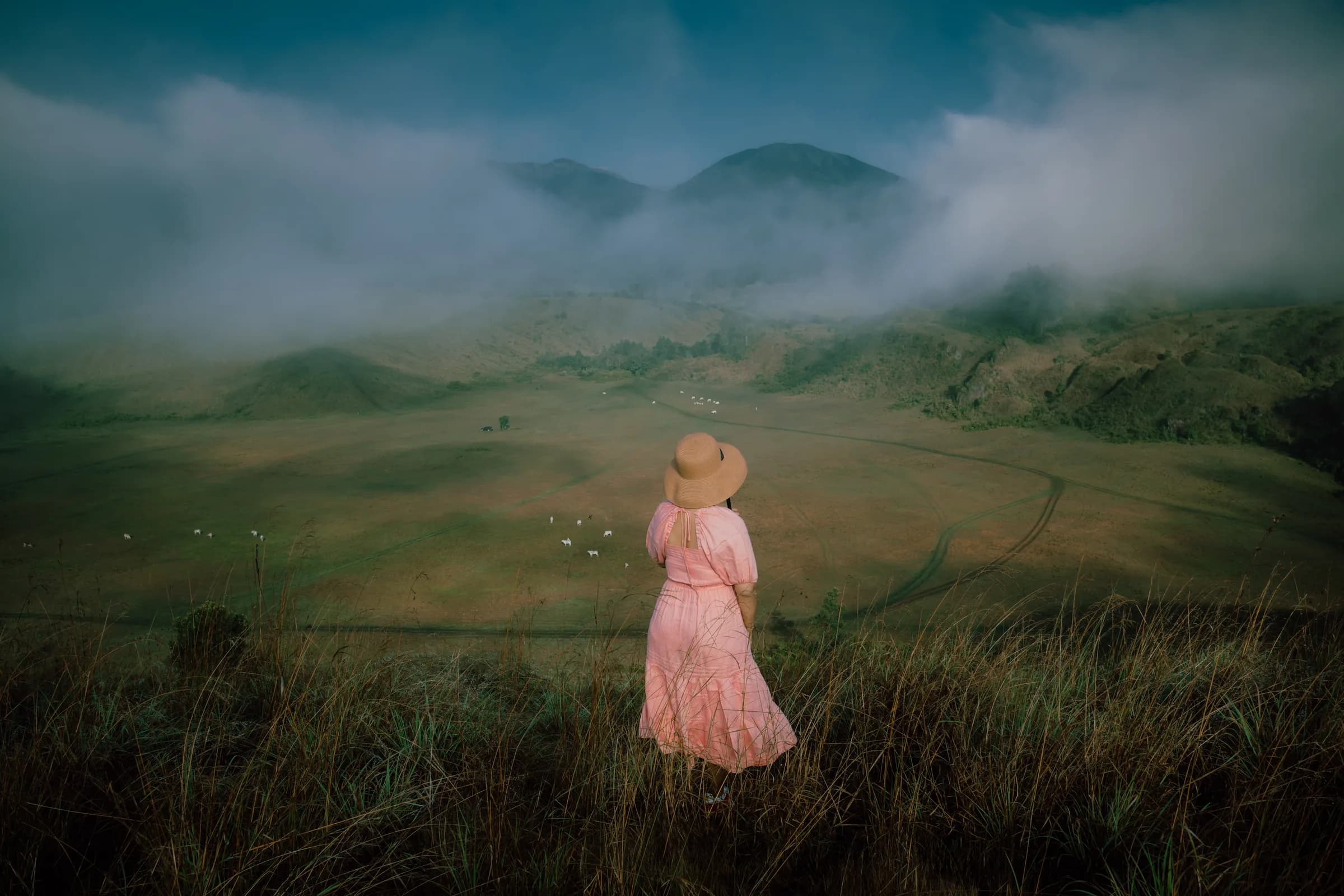
Djawatan Forest is around 30 minutes southwest of the city—towering trembesi trees, shaded paths, quick stop. Kawah Wurung near Sempol in Bondowoso regency is farther west—rolling highland grasslands, volcanic crater views, around 1.5 to 2 hours' drive. Both fit into day itineraries if you're starting early. Closed shoes and sunhat wajib for Wurung's exposed ridges.
Wurung Crater Day Trip
banyuwangi · 1D
Sunrise at Kawah Wurung with no climbing at all — a 4x4 takes you right up into the grassland. After exploring and photographs, the route drops to Kalipahit waterfall, then lunch back in town. The lightest way to see Banyuwangi's highland landscape. The jeep, permits, a table-and-chair setup, and snacks are included; lunch is on you. Maximum 10 guests.
from
$58 USD
FAQ
When is the best time to visit Banyuwangi?
April through November is the dry season with reliable roads and clear skies. Ijen's blue fire is visible year-round, but May through August offers the safest and most spectacular trek conditions. Sukamade turtle nesting peaks September through March.
How do I get to Banyuwangi?
See the Getting There section above. Train from Surabaya (~6h). Ferry Ketapang–Gilimanuk (~45min). Flight from Jakarta (~1h45m). No direct flight from Bali. No direct flight from Surabaya.
Do I need a guide for Kawah Ijen?
Not mandatory, but strongly recommended. The pre-dawn trek is steep, dark, and requires navigating sulfur fumes near the crater. Tours include transport, gas mask rental, and timing coordination for blue fire visibility.
Can I visit multiple sites in one day?
Djawatan Forest and Baluran fit into one day if you start early. Ijen requires a midnight departure and wipes out the rest of your day. Sukamade and Teluk Hijau both need full-day or overnight commitment due to rough road conditions.
What should I pack for Banyuwangi?
Closed shoes (wajib for all highland and savanna treks), sunhat, layers for early-morning crater cold, headlamp for Ijen, dry bag for cameras if you're island-hopping. Gas mask rental is available at Ijen entrance—no need to bring your own.
Is Menjangan Island part of Banyuwangi?
No. Menjangan Island is in Bali Barat National Park on the Bali side. Some tours depart from Banyuwangi and cross to Bali, but the island itself is Bali territory, accessed from Labuhan Lalang or Pemuteran.